


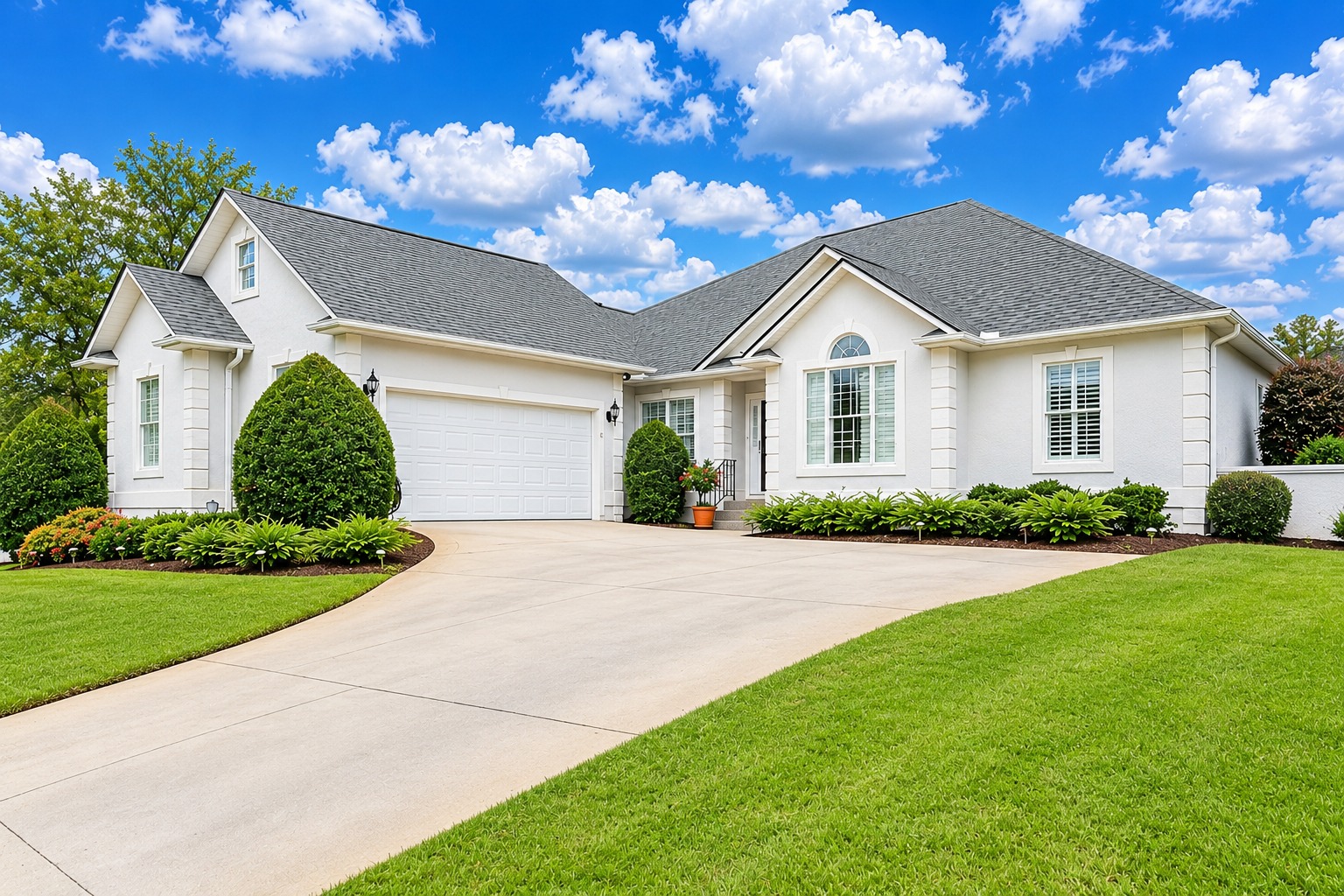
If you are moving to South Carolina from another state, our property taxes are usually a pleasant surprise. But there is one step a lot of new buyers miss, and it can cost them hundreds or even thousands of dollars a year. Here is how the system works, in plain English.
Your tax bill comes from three numbers
In South Carolina, your yearly property tax is figured like this:
Appraised value x assessment ratio x millage rate = your tax bill
- Appraised value is the value the county assessor puts on your home.
- Assessment ratio is the percentage of that value that gets taxed: 4% for your primary home (your legal residence) and 6% for second homes, rentals and investment property.
- Millage rate is the tax rate set each year by the county, city, school district and other local districts. It is different from one area to the next.
A quick example
Take a $300,000 home. As your primary residence at 4%, its assessed value is $12,000. As a rental or second home at 6%, the same house is assessed at $18,000. That assessed value is then multiplied by the local millage rate. On top of that, a legal residence does not pay the school operating part of the millage, which lowers the bill even more.
The catch: the 4% rate is not automatic
This is the part people miss. After you buy, you have to apply for the 4% legal residence rate with the county assessor's office. You will show proof that the home is your primary residence, such as your SC driver's license, vehicle registration or SC tax return. If you don't apply, you can end up paying the 6% rate. Our advice: apply soon after closing.
Questions about a specific home?
We are happy to help you estimate taxes on a home you are considering. You can also read more in our FAQ, or ask our team. Ready to start looking? Search homes for sale.
This post is general information, not tax advice. Rules and rates change, so confirm details with your county assessor for your specific situation. Source: York County, SC: How to Estimate Taxes.